Can Pneumonia in a Baby Effect Your Health as an Adult
Pneumonia: Causes, Symptoms and Treatment

Pneumonia is a broad term for a mutual lung infection typically caused past bacteria or viruses. The illness can also be a complication of the influenza.
When something like leaner, for example, gets into lung tissue, information technology causes an inflammatory response, which leads to the production of mucus, said Dr. Maureen Dziura, a lung specialist at Tufts Medical Center in Boston. An accumulation of mucus can trigger some symptoms of pneumonia, such as a coughing, shortness of breath, fever and chills, she said.
The illness tin be mild, which is known as walking pneumonia, or it can exist serious if the symptoms are severe, and may require hospitalization, Dziura said. Bacterial pneumonia is the most common form of the illness and besides tends to be the near serious blazon.
With pneumonia, the alveoli, or air sacs, in one or both lungs become inflamed and fill with fluid. This makes information technology difficult for oxygen to reach the bloodstream. (When both lungs are infected, it's called double pneumonia.)
More than 250,000 people have to seek care in a hospital for pneumonia each year in the United States, and about 50,000 Americans die annually from it, according to the Centers for Affliction Control and Prevention (CDC).
What causes pneumonia?
Pneumonia tin exist caused by bacteria, viruses and fungi. Withal, bacteria are the virtually common cause of pneumonia in adults, and the about frequent culprit is Streptococcus pneumoniae. Walking pneumonia is commonly caused past a bacterium called Mycoplasma pneumoniae.
Viruses, such equally influenza (flu) virus and rhinovirus, can also lead to pneumonia. Other viral causes include respiratory syncytial virus (RSV), which is a common cause of pneumonia in babies and immature children, and homo metapneumovirus, according to the National Centre, Lung, and Blood Plant.
Ane instance of a fungal cause of pneumonia is Pneumocystis jirovecii, which causes a serious life-threatening infection typically establish in people with weak allowed systems, such every bit those with HIV and AIDS. (This illness was previously called Pneumocystis carinii pneumonia.)
Pneumonia can happen whatsoever time of yr, only more cases tend to occur in winter when the flu season takes off, Dziura said. Flu can crusade viral pneumonia and can weaken immune defenses, which increases the hazard of developing a secondary bacterial pneumonia, she explained.
People of all ages can get pneumonia, but those most at adventure for the lung infection are children under age 5, adults 65 and over, cigarette smokers and people with other health problems or weak immune systems, such as chronic lung issues, heart failure, diabetes and stroke.
Viral and bacterial forms of pneumonia can typically spread when an infected person coughs or sneezes, which releases droplets containing bacteria or viruses into the air that other people can breathe in or touch contaminated surfaces. Most people who spend only a short corporeality of time with an infected person will not become ill, merely there are some bacterial types of pneumonia that tin can spread quickly in people who live or piece of work in crowded settings, such as college dorms, military billet or nursing homes.
Symptoms of pneumonia
The symptoms of pneumonia can range from mild to life-threatening. A person with walking pneumonia may experience weak and fatigued, and accept a low-level cough, but is still able to attend work or schoolhouse, Dziura said. A more serious infection causes a dangerously high fever, shortness of breath, blueness of the lips due to a lack of oxygen in the claret and mental confusion.
With some forms of pneumonia, a person may coughing upward greenish or yellow mucus, or possibly bloody mucus (but pneumonia doesn't ever crusade yous coughing up mucus). According to the American Lung Association, symptoms of pneumonia may include:
- Cough
- Fever
- Chest or stomach pain
- Shortness of breath
- Chills
- Loss of appetite
- Lack of energy and fatigue
- Confusion, especially in older people
- Headache
Diagnosis and treatment
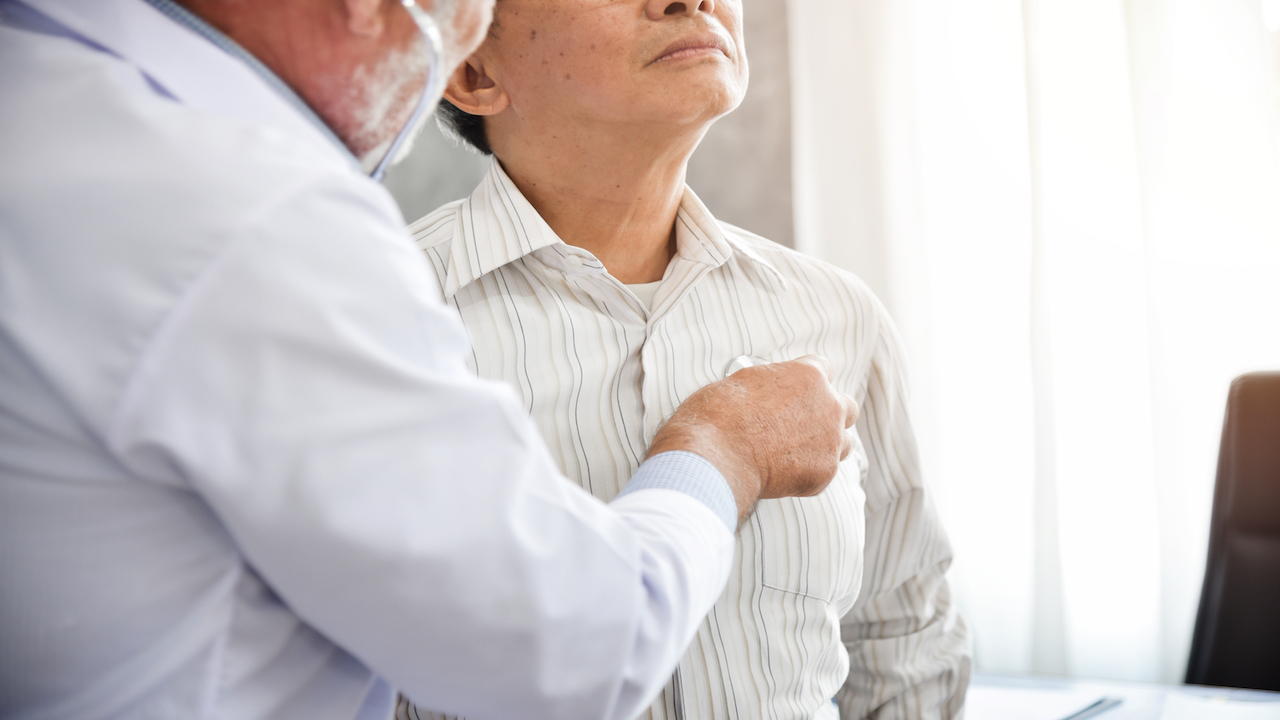
Pneumonia is a very mutual illness but can sometimes be tricky to diagnose because the symptoms are often similar to having a cold. To diagnose pneumonia, a doctor will utilize a stethoscope to listen for a crackling sound in the lungs when the patient breathes in, Dziura said. A chest X-ray can show the extent of inflammation in the lungs.
Patients may as well exist asked for a sputum (a mixture of saliva and mucus) sample that gets examined to place the strain of bacteria causing pneumonia, which helps doctors to tailor antibiotic treatment, Dziura said.
In at least l% of cases, the specific bacteria causing pneumonia can't be identified, Dziura said. And then, the antibody given is based on the most mutual bacterial causes of pneumonia.
People with bacterial pneumonia unremarkably start feeling meliorate within 48 hours after receiving antibiotics, only a course of antibiotics is typically taken for 5 to 10 days, Dziura said. However, the cough caused past pneumonia can linger for upwardly to three months after treatment has ended because of rest inflammation in the lungs that takes longer to subside, she said.
Antibiotics won't help treat viral pneumonia. Its symptoms, such as fever and cough, are managed with rest, aspirin, cough medicine and drinking plenty of liquids. Experts besides recommend running a humidifier to keep the air moist, which helps loosen excess phlegm in the lungs and sinuses.
For some older adults and people with chronic lung problems or weak immune systems, pneumonia can quickly become life-threatening. People may feel serious complications equally a result of the infection, such as trouble breathing in plenty oxygen; a build-upwardly of fluid effectually the lungs; or sepsis, a condition where there is uncontrolled inflammation in the body, which may pb to widespread organ failure.
Ways to avoid getting pneumonia
1 of the keys to preventing the spread of pneumonia is to avoid close contact with people known to be infected with colds and flu, Dziura said. Other ways to forbid the disease include:
- Getting vaccinated: A yearly flu shot tin can help prevent influenza and is also practiced protection against pneumonia. In that location is also a vaccine to preclude pneumococcal pneumonia, the most mutual course of bacterial pneumonia. This vaccine is recommended for children under age 2 equally well as for adults 65 or older. The shot is also advised for children and adults at increased risk for pneumonia considering they have other health weather condition or weakened immune systems.
- Keeping easily and surfaces clean: Wash hands frequently— after using the bathroom, blowing your olfactory organ, changing a diaper, preparing foods or before eating. Disinfect surfaces touched often, such as faucets, doorknobs, phones, toys and lite switches.
- Quitting smoking. Cigarette smokers are at increased risk for pneumonia because tobacco amercement the lungs' power to fight infections. That's why smokers are advised to become the pneumococcal vaccine.
- Maintaining a stiff immune system. Eating a salubrious diet, plus regular exercise and sufficient sleep, can all protect against getting sick.
Additional resources:
- Here's how the American Lung Clan explains walking pneumonia.
- Learn more about the two kinds of pneumococcal vaccines from the CDC.
- Read why people tin can still become pneumonia in the summertime, from the American Lung Association.
Source: https://www.livescience.com/pneumonia.html

Post a Comment for "Can Pneumonia in a Baby Effect Your Health as an Adult"